
Subscribe to our blog

Your email:

About Charles Franc & Associates

CFA is a recognized industry leader in Cardiovascular Program Consulting Services. Charles Franc and his team comprise one of the most experienced and forward looking consulting organizations in the industry developing and providing tailor made solutions specific to each client's individual needs and circumstances.

The CFA Perspective

Current Articles | RSS Feed RSS Feed

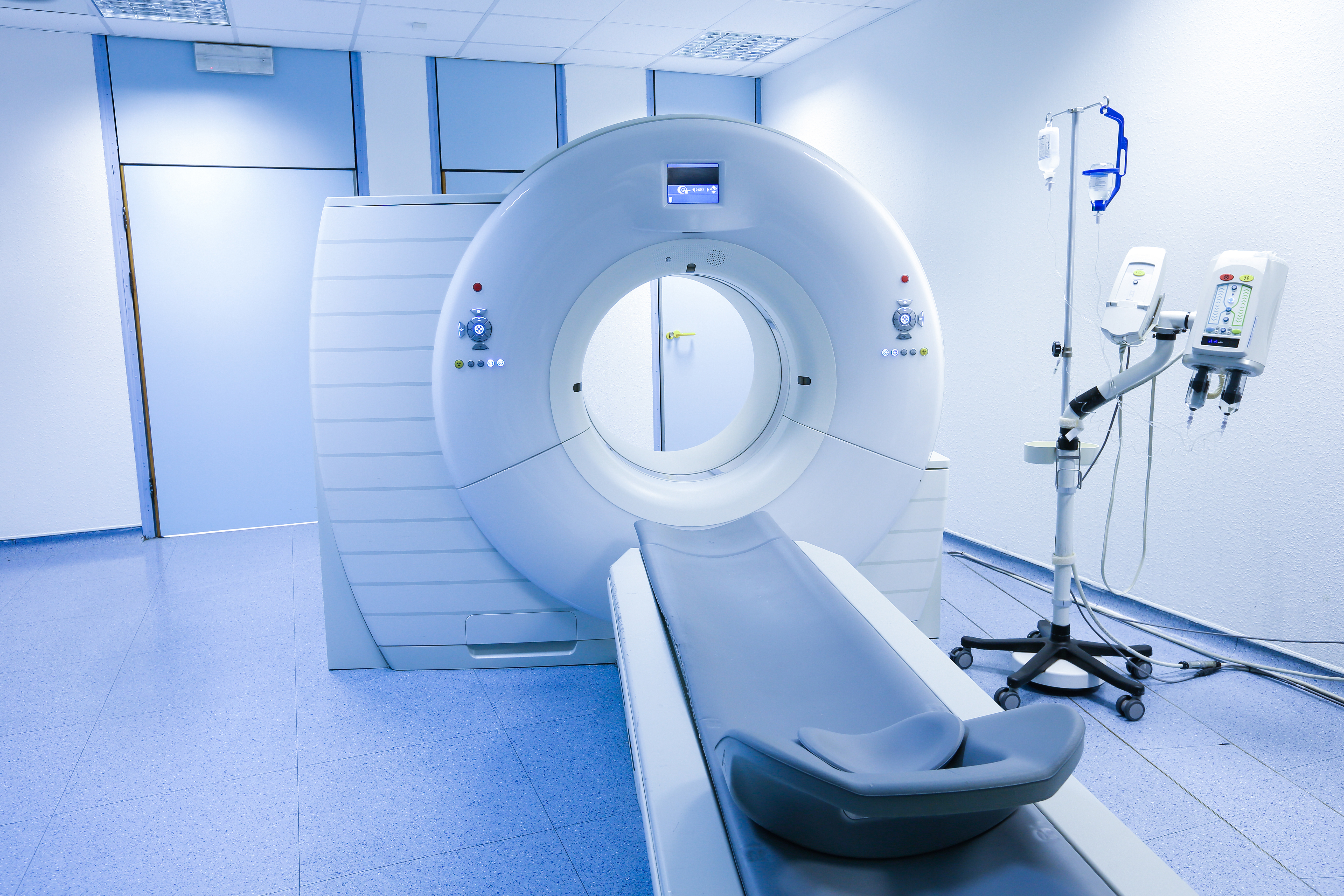
Cardiovascular CT in the ED – The CT-STAT Trial

 | Submit to Digg digg it | Add to delicious delicious | Submit to StumbleUpon StumbleUpon | Share on Facebook Facebook | Share on Twitter Twitter | Share on LinkedIn LinkedIn 
If a blog is an electronic soap box, then CFA can be accused of standing on one and shouting about the continuing positive evidence of the utility of cardiac CT angiography in cardiovascular diagnoses. The reported results of the CT-STAT (Coronary Computed Tomography for Systematic Triage of Acute Chest Pain Patients to Treatment) Trial presented at the AHA meeting in November, 2009, gives positive results for the use of coronary CT angiography on chest pain patients in hospital emergency departments. Previous studies have produced similar results, but they tended to be small and single facility-based trials.

We all realize what a challenge the ED has in the diagnosis of chest pain patients. Six million chest pain patients present to ED's in U.S. hospitals each year. Of these, 75% are found to have non-ischemic or non-cardiac etiologies for their chest pain. The diagnostic cost of diagnosing these patients is estimated at $12 to $14 billion a year. About 2% to 4% of acute coronary syndromes are missed and inappropriately discharged. This leads to an estimated 20% of malpractice costs being assigned to missed diagnosis of chest pain in the ED each year. The standard-of-care testing (rest and stress imaging after serial electrocardiograph and cardiac enzyme tests) for chest pain patients is time consuming and resource intensive, with results that are not always definitive.

In the study 750 low-risk chest pain patients were randomized in 16 hospital sites to receive either CT angiography or standard-of-care workups in an attempt to produce a diagnosis. The results of the trial were striking:

  • The use of CT resulted in a mean diagnosis time of 2.9 hours, compared to 6.2 hours for the standard of care.
  • Use of CT decreased the overall radiation exposure from about 15 mSv for the standard of care to 10.8 mSv for CT angiography.
  • Use of CT decreased overall costs for patients from a mean of $3,458 for standard of care to $2,137 for CT angiography.

In summary, the trial concludes that the use of CT angiography was safe, faster, and cheaper than the standard of care. CFA encourages all hospitals with emergency departments and cardiac CT technology to evaluate chest pain strategies based on cardiac CT angiography, but cautions that there are many factors that must be considered with implementation. Including:

  • Availability of CT (specifically technical staff and interpreting physicians) within the hospital, particularly beyond daytime hours.
  • Interpretation by qualified physicians. After hours coverage is particularly problematic and may require the use of a night read services, which increases costs.
  • Development of protocols that highlight the indications and contraindications for the test, importance of heart rate control, administration of beta blockers and the like to obtain appropriate and assessable studies. Not every patient is a candidate for coronary CT. 
  • Continuing quality audits that track the quality of the studies and pinpoint non-assessable studies, and continuous review of CT cases as part of appropriate monthly multi-disciplinary conferences.
  • Often problematic reimbursement.

For further information on CT-STAT, CFA refers you to http://directnews.americanheart.org/extras/sessions2009/slides/159_sslides.pdf


2010 is Here and “Most Cardiologists Lose, Some Lose Big”

 | Submit to Digg digg it | Add to delicious delicious | Submit to StumbleUpon StumbleUpon | Share on Facebook Facebook | Share on Twitter Twitter | Share on LinkedIn LinkedIn 
The CY 2010 Medicare Physician Fee Schedule (MFFS) Final Rule, as originally presented by the Centers for Medicare and Medicaid Services (CMS), passed into law January 2010 despite heavy lobbying efforts on the part of cardiologists, cardiac imagers and others. The new fee schedules, mandated by adjustments in the Sustainable Growth Rate (SGR) formula that governs physician payments, are phasing in sharp cuts in reimbursement for office-based imaging procedures; shifting payments from specialists to primary care practitioners; and changing coding and reimbursement for consultations, office visits and hospital visits; among other changes. The net result is an approximate overall cut of 21%. The RVU conversion factor drops from $36.0666 to $28.3895.

At the last minute, implementation of a portion of the reductions was put off until March 1, 2010. Intense lobbying and lawsuits questioning the rules methodology by the American College of Cardiology (ACC) and others are continuing in an effort to prevent full implementation. Only Congressional action can change the implementation schedule or the substance of the changes.

"Most cardiologists lose, some lose big," is a quote from a slide presentation put together by the ACC for its members before implementation was scheduled to take place at the beginning of the year.

As referenced in our last posting, a December 2009 a poll by the American College of Cardiology asked cardiologists to answer the question, "Did your practice integrate with a hospital in 2009?" As reported on the ACC website, www.acc.org:

• 13% said yes, my practice integrated in 2009.
• 23% said no, but my practice has concrete plans to integrate.
• 50% said no, but my practice is thinking about it in the next 1-2 years.
• 15% said no, my practice has no plans to integrate with a hospital.

A month or so into the new reimbursement climate, what would the answers be if the same question were posed today? One could conclude that these substantial reimbursement changes may tip the scale in favor of a more concentrated effort at integration between physicians and hospitals. Certainly, when and if the full fee schedule changes are implemented, the concern for future income and practice revenue stability of those affected will grow.

CFA is aware of cardiology groups that have been thrown into turmoil over these changes because of, among other factors, the way the group compensates its members; their respective work assignments and subspecialties, and associated reimbursement; which members own or otherwise control ancillary and testing equipment and services; and related issues. These changes can shake the very foundation of cardiology practice compensation methodology. Group practice compensation is a critical issue for member stability and the ultimate success of the group. Variation in compensation and perceived inequities under the pressure of reduced reimbursement could cause a group to become unstable, split apart or possibly seek closer integration with a hospital or health system as a strategy to return the group to a semblance of economic stability and harmony.

If the fee reductions are mitigated in the near term, as has frequently been the case in the past, there will still be erosion of the financial performance of cardiology practices. As healthcare costs increase, the assault on physician payment is anticipated to continue unabated. In the mind of most physicians, governmental reimbursement will inevitably be eroded at their expense and the overall reimbursement environment will remain toxic.

CFA recommends that cardiovascular physicians monitor their professional societies for updated information on reimbursement changes. These would include www.acc.org, www.scai.org and www.sts.org, among others.

It is critically important that cardiovascular management and hospital administrative staff monitor the situation with their cardiovascular physician colleagues' practice circumstances. Hospital management should be open to evaluating alternatives for collaboration and more effective alignment and integration with their cardiovascular medical staff.


Poll Indicates Cardiologists More Likely to Integrate with Hospitals

 | Submit to Digg digg it | Add to delicious delicious | Submit to StumbleUpon StumbleUpon | Share on Facebook Facebook | Share on Twitter Twitter | Share on LinkedIn LinkedIn 
With the ongoing interest in physician and hospital alignment and integration strategies, this December 11, 2009 poll from the American College of Cardiology (ACC) is most interesting. Credit is given to our colleague, Walter Unger of Unger and Associates, for bringing this poll to our attention. The poll was conducted by Jim Fasules, M.D., FACC, ACC's Senior VP of Advocacy, and reported by ACC CEO Jack Lewin, M.D. Participants in the poll were asked, "Did your practice integrate with a hospital in 2009?" Here are the responses:

• 13% said yes, my practice integrated in 2009.
• 23% said no, but my practice has concrete plans to integrate.
• 50% said no, but my practice is thinking about it in the next 1-2 years.
• 15% said no, my practice has no plans to integrate with a hospital.

These results show just how strong the trend towards integration really is. A total of 36% of practices have integrated or have "concrete plans" to integrate. Another 50% of the respondents state that they are thinking about it. While the respondents are (presumably) only cardiologists, and the poll was not inclusive of other cardiovascular physicians (particularly cardiac surgeons) who may entertain the idea of integration, the poll is still a powerful indication of just how strong the integration movement is.

CFA is involved with clients where the circumstances leading up to interest on the part of cardiovascular physicians in integrating vary considerably. One would think the predominate reason for cardiologists and cardiac surgeons, among others, to consider alignment with local hospitals is purely economic. The initial stimulus frequently is; however, other factors come into play. It is logical to assume that physicians who have not been financially successful would be the first to consider an integration strategy. But this is not necessarily so. Consider the following:

Recently, in the southeast, a group of cardiovascular surgeons affiliated with the largest volume and most prestigious cardiovascular program in their state expressed interest in integration with their affiliated hospital. By every comparative metric applied, they were a highly financially successful group of surgeons with a significant geographic monopoly based on strong referral patterns. While their overall cardiac surgical volume had trended down, their group and individual incomes were stable as they aggressively managed their practice expenses and diversified into vascular surgery to maintain case volume and revenue. This group went to the extensive measure of taking one of their surgeons out of active practice and sending him for retraining in state of the art vascular procedures to build practice volume. Yet they still believed the overall, long term trends were working against them. The historical financial success of their practice did not preclude them from reconsidering their future direction.

Hospitals need to be prepared for this Physician-hospital alignment and integration movement by proactively thinking about their overall strategy and tactics before the issue arises. One of our senior staff attended a seminar on alignment this past year where a hospital administrator from the Midwest said that he lived in dread of any phone call or personal visit from one of his medical staff, because so many of them were asking to be bought out and employed! He was overwhelmed by the issue and knew that he needed to prepare a strategic response to this trend if he was going to keep his head above water.

CFA recommends that all hospitals and physician groups be prepared to deal with the issue of integration. With up to 50% of poll respondents actively considering integration with a hospital, it is imperative that each hospital and physician group understand the economic and political trends that promote alignment and integration, and the implications on their respective businesses.

To view the poll referenced in this posting, please refer to The Lewin Report


Advanced Cardiovascular Imaging (Cardiovascular CT Angiography) – A Critical Technology?

 | Submit to Digg digg it | Add to delicious delicious | Submit to StumbleUpon StumbleUpon | Share on Facebook Facebook | Share on Twitter Twitter | Share on LinkedIn LinkedIn 

Three-dimensional imaging diagnostics-in particular, Cardiovascular CT angiography (CCTA)-have been widely touted as the next big thing in the diagnosis of CAD and PAD.  Nearly every day a new clinical article related to CCTA shows up in my inbox.  What's the current state of 3-D imaging?

While important, this technology has not proliferated as rapidly as many of us thought it would.  It is clear that the reason is largely (but not exclusively) economic:  the high cost of the equipment (beyond the scanners themselves, the workstations required to post-process and analyze results), the impact of the worldwide recession on capital purchases, lack of technological uniformity, lack of skilled technologists, the cost-related pushback by insurers (including Medicare) due to the proliferation of all types of imaging, fear of a negative impact on cardiac catheterization volumes, the time commitment and cost required for physicians to obtain proficiency, and so on.  Overall, reimbursement has been challenging, with ever-changing policies and payment inconsistencies among payers.      

Given the current challenges, what trends relative to CCTA does CFA believe will be important for hospital cardiovascular programs in the future?

  • If you don't provide access to CCTA, your cardiologists and vascular specialists may be motivated to work with your competition that does. Or possibly to purchase it themselves (if they haven't already) and go into open competition with you (another reason for hospital/physician alignment strategies!). New regulation, including healthcare reform, could mitigate this issue, but it will still exist.
  • The use of CT technology will continue to be shared between Radiology, Cardiology and others, except in the largest volume programs that can justify dedicated (and cardiology-controlled) cardiovascular CTA. This situation drives the need for inter-disciplinary collaboration and a cooperative model for sharing access to the equipment and completing comprehensive interpretation of the results.
  • ED usage of CCTA for chest pain triple rule-out (because of its diagnostic capability to assess aortic pathology, coronary artery disease, and pulmonary emboli in one scan) may soon become the standard protocol for diagnosis of chest pain.
  • As hospitals continue to develop stroke center capabilities, quadruple rule-out examinations, which extend coverage from the skull base through the thorax, may become useful in patients with syncope, transient ischemic attacks, and cerebrovascular accidents resulting from carotid stenoses. The so called "half-body scan" may become more commonplace.
  • Automated cardiac CT-analysis software shows promise, has a high negative predictive ability and may facilitate utilization for smaller, community hospitals.
  • The recent Texas law requiring insurance companies to pay for CV screening inclusive of non-contrast CT measuring coronary artery calcification (calcium scoring exam) will most likely not soon be replicated in other states.
  • Use as a universally accepted (and reimbursed) screening tool for asymptomatic patients is highly unlikely as well.
  • Highest and best use may be as a "filter" to avoid invasive angiograms where likelihood of CAD is not very high.
  • Over time, CCTA will become part of the diagnostic work flow for many cardiologists, cardiac and vascular surgeons, and become an expected part of their clinical routine.
  • As 3-D diagnostic imaging continues to develop, consistent reimbursement is established, drops in cost, and is generally accepted by other specialists (especially for surgical/procedural planning), it will become the standard. Payers will come to see it as possessing real value. The trend to promote all 3-D imaging will help promote CCTA for cardiac and vascular use as well.

The CFA team recommends that those interested in learning more about Cardiovascular CT contact the Society of Cardiovascular Computed Tomography (SCCT) at http://www.scct.org/.  This is the leading professional organization dedicated to CCTA and provides its members with regular updates on education and training programs and legislative initiatives.  SCCT publishes a journal devoted to the utilization of this technology.


Hospital and Physician Alignment in the Cardiovascular Enterprise

 | Submit to Digg digg it | Add to delicious delicious | Submit to StumbleUpon StumbleUpon | Share on Facebook Facebook | Share on Twitter Twitter | Share on LinkedIn LinkedIn 
 

Hospital cardiovascular program managers and cardiology, cardiovascular surgery and vascular surgery practice administrators are well aware of the continuing evolution of cardiac and vascular medicine and the multitude of challenges facing each of us.  For cardiovascular program leaders across the country, the challenges of the past will continue into 2010, along with new circumstances requiring creative solutions.  The national debate over healthcare reform that is heating up is leading to more confusion and indecision about the future.  Hospitals and physician practices continue to be inundated with strategic, clinical, financial, operational, and competitive issues that require informed organizational responses.  The possible strategies to successfully address these issues are numerous and varied.

In such times, an approach that pools resources to solidify the program's foundation for the future is critical to short term and ongoing success.  Sound physician/hospital alignment has the potential to be a CV service line transformative strategy that can:

  1. Align strategic, operational and financial incentives between physicians and hospitals
  2. Provide a platform for developing customized integration strategies
  3. Improve operating performance and profitability
  4. Reduce/prevent competitive risk and predatory recruitment
  5. Gain competitive advantage; retain and expand market share

Experience in the field of cardiovascular physician/hospital alignment projects, leads to several key conclusions when planning for a cardiovascular program's future:

  • If you have seen one and done one, then you have seen just one and done just one. Unfortunately, what has worked in one city, for one hospital or group of physicians, may not work for you. A situation that seems similar to yours may be different in a crucial aspect that precludes your success.
  • While there is a major trend towards hospitals employing specialists like cardiologists and cardiovascular surgeons, this is not always doable-nor is it frequently the best answer in all circumstances and in all communities.
  • It isn't always about money. Yes, economics and aligned incentives are important, but a myriad of personal, political and other factors can impact physician thinking and hospital actions. How often has a physician said that he wishes he was in charge of the CV service line for just one day? Very often, the issue is the appropriate exercise of control and sharing of management responsibilities.
  • Do not think that establishing a physician/hospital alignment model is simple, straightforward and completed quickly-it can be a contentious, problematic, sometimes meandering, and occasionally disappointing process.
  • Incremental steps are not a bad strategy. Alignment options short of employing physicians offer hospitals and physicians a chance to work together more closely and experience a new collaborative business model. Experiencing what it is like to work together under a new arrangement can prove invaluable to both parties prior to employment should that be a consideration. This is especially true during this period of uncertainty about the implications of healthcare reform.

Interested in further information on the topic of Hospital and Physician Alignment in the Cardiovascular Enterprise?  Download a copy of CFA's article Physician and Hospital Alignment Strategies:

Free Hospital-Physician Alignment Paper


All Posts